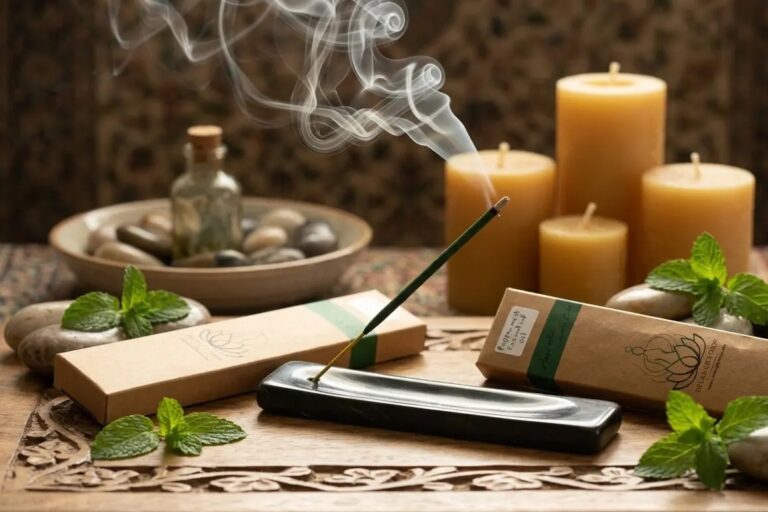


Last November, we made a mistake that cost us three weeks of headaches. We bought what looked like “natural” incense from a high-street shop packaging was gorgeous, price seemed reasonable. Burned one stick and our space smelled like a petrol station mixed with fake vanilla for two days straight. Turns out, those natural high-quality incense sticks UK labels don’t always mean what you think they mean.
That’s when we started actually researching what goes into proper incense. And honestly? Most of what’s sold as “natural” in mainstream stores is anything but.
Why Most “Natural” Incense Isn’t Actually Natural
Here’s something the big retailers won’t tell you: about 70% of incense labeled “natural” in the UK contains synthetic fragrance oils. We learned this from a supplier in Bangalore who’s been hand-rolling incense for 30 years his family’s done it for three generations.
The problem starts with production costs. Genuine sandalwood essential oil? £180 per kilogram. Synthetic sandalwood fragrance? £12. You see where this goes.
Organic incense sticks UK buyers think they’re getting typically contain:
- Charcoal (burns fast, smells harsh)
- Dipropylene glycol (chemical binder)
- Synthetic fragrances labeled as “parfum”
- Bamboo sticks dipped in fragrance oil
We’ve tested dozens. The smoke from cheap incense made our team cough for an hour. Real incense? Barely noticeable smoke, just pure scent.

What Real Quality Looks Like (And How We Spot Fakes)
We’ll be straight with you best natural incense sticks UK shops sell aren’t perfect. Even the good ones vary batch to batch because they’re made by actual humans, not machines.
Here’s what we look for (learned this the hard way):
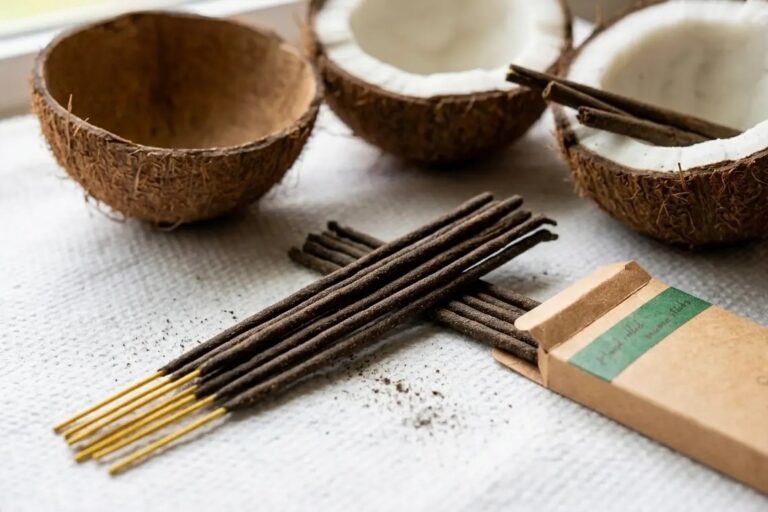
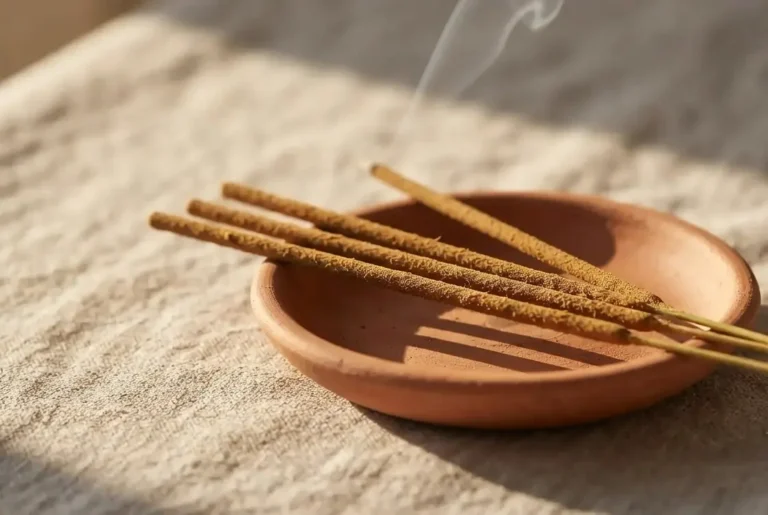
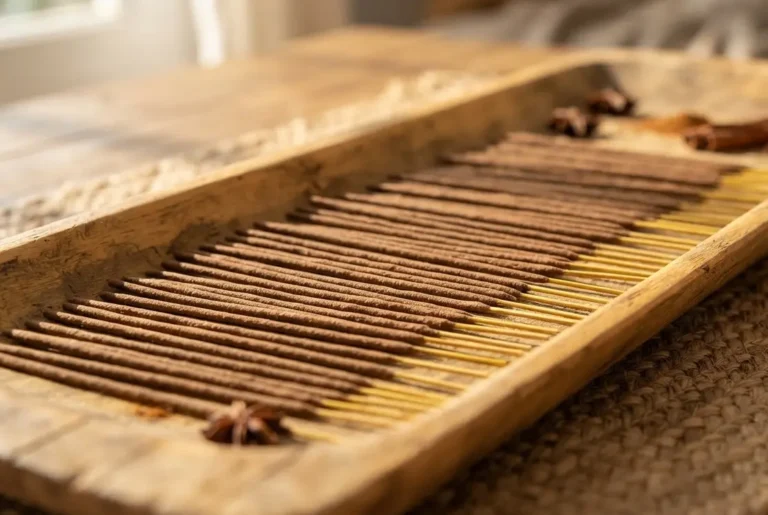
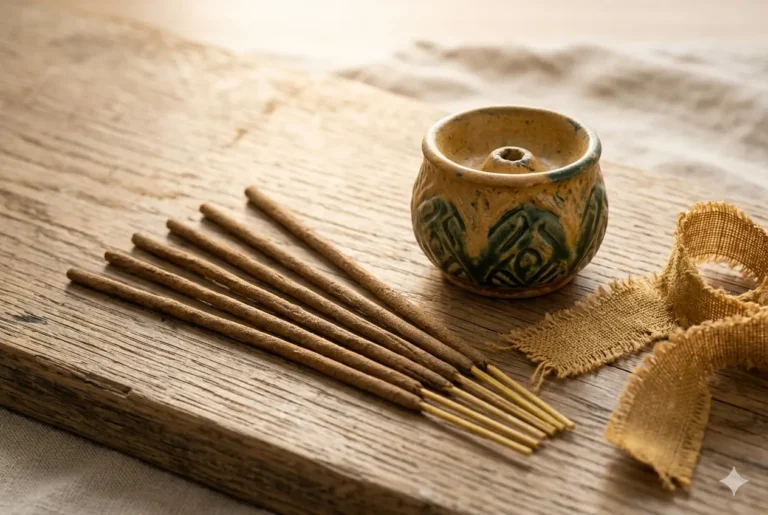
The texture test: Roll it between your fingers. Should feel slightly rough, not smooth like it’s been dipped in something. You’ll see tiny herbal particles if you look close.
The ash test: Burn one completely. Natural incense leaves grey-white ash that holds its shape. Chemical stuff? Black, crumbly mess.
The smell test: This one’s tricky. Real sandalwood smells woody and slightly sweet, but subtle. If it hits you in the face from across the room, that’s synthetic.
We rejected four suppliers before finding ones who met our standards. One claimed “hand-rolled” but we found machine-press marks. Another used charcoal bases despite promising they didn’t.
The ingredients that actually matter:
- Makko powder (natural tree bark binder)
- Pure essential oils or plant resins
- Herbal base powder
- Natural wood powder foundation
- Zero artificial fragrance compounds
Most UK incense stick retailers won’t list these details. We wondered why too.

Where We Actually Source Our Incense
We’re not going to pretend we make these ourselves in some romantic British countryside workshop. We don’t. We source from artisan makers who’ve been doing this longer than we’ve been alive.
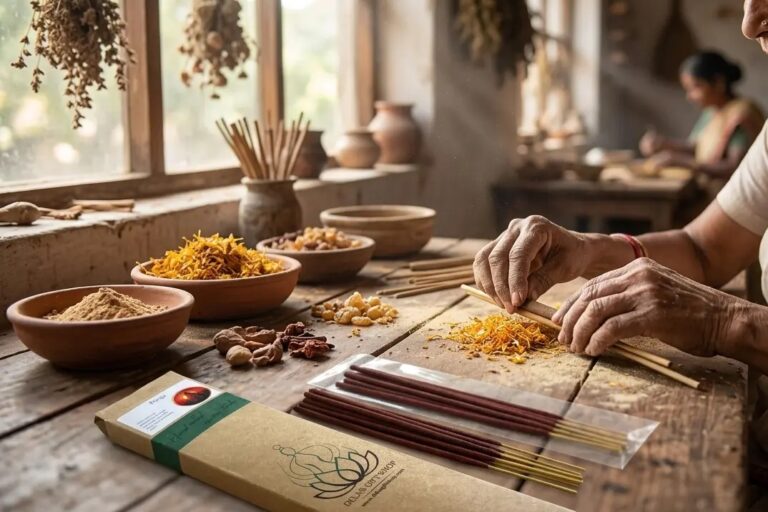
Our camphor incense comes from a small workshop in Kerala. The woman who runs it learned the craft from her grandmother, uses camphor crystals grown in their region. Takes them three days to produce one batch because everything’s hand-rolled and sun-dried.
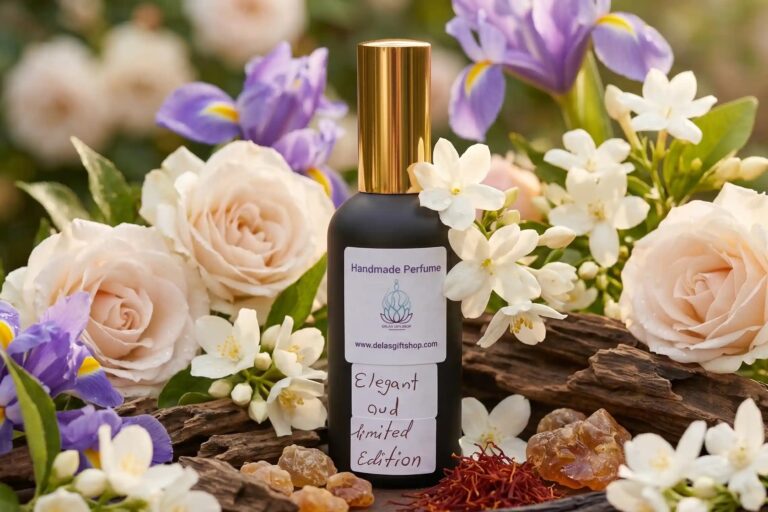
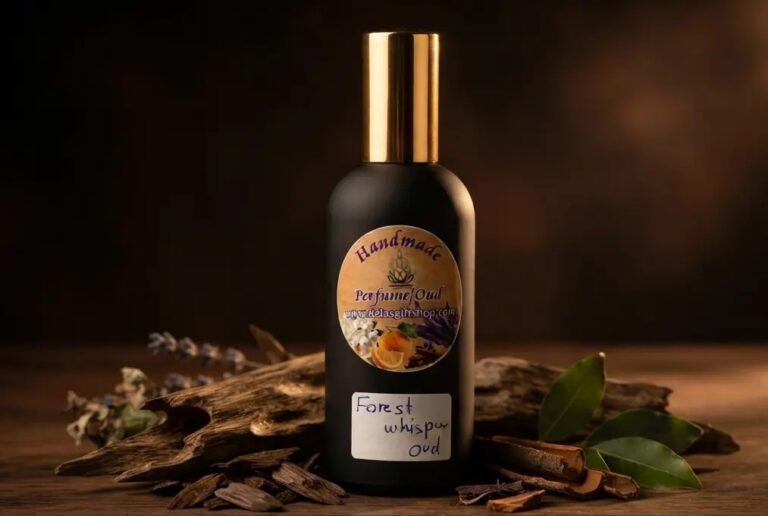
The Middle Eastern oud incense sticks? Those come from a family business that’s been sourcing aged agarwood for 40 years. Real oud is expensive like, shockingly expensive because the resin only forms when the tree gets infected by a specific mold. They don’t cut corners, which means we can’t either.
For our rose incense, we work with suppliers who use actual rose petals and rose oil from Damascus rose cultivation. You can smell the difference immediately it’s not that synthetic “old lady perfume” smell you get from cheap rose incense.
Here’s what eco-friendly incense sticks production actually involves:
- Hand-rolling each stick individually (about 200 per day per artisan)
- Natural sun-drying for 3-5 days depending on humidity
- Small-batch quality control where every tenth stick gets tested
- Packaging in recyclable materials only
We’ve visited three of our suppliers in person. Saw the process. Got our hands dirty rolling a few sticks ourselves (they were terrible, but the artisans were polite about it).

The Scents That Changed Everything for Us
Look, we started with six scents. Thought we’d offer variety, see what people wanted.
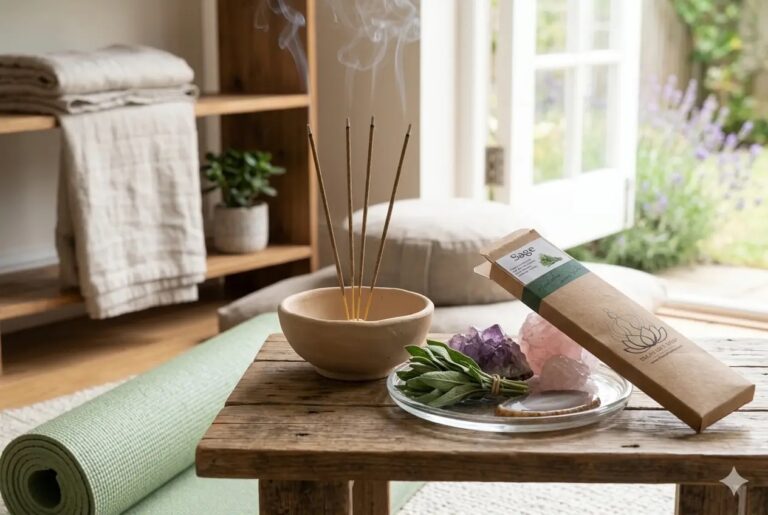
Sandalwood was obvious everyone knows sandalwood incense. But we didn’t expect it to become 40% of our orders. People burn it for meditation, sure, but also just while working from home. One customer told us she burns one every morning with her coffee. Makes her flat smell “like a decision-making space” (her words, we loved them).
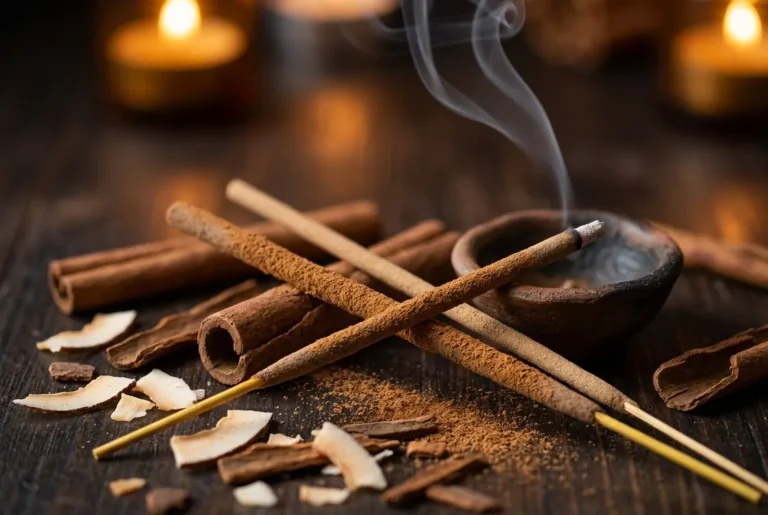
Then cinnamon surprised us completely. We launched it thinking it’d be a winter thing. Nope. People burn it year-round. Turns out it’s brilliant for covering cooking smells without being obvious about it, and there’s this whole community of people who use it for manifestation rituals.
Tulsi (holy basil) barely sold for three months. We nearly discontinued it. Then someone mentioned it in a yoga forum and suddenly we couldn’t keep it stocked. It’s become our third bestseller, which still baffles us a bit.
The dragon blood incense has a cult following. The scent is intense resinous, slightly sweet, bit mysterious. People either love it immediately or find it too much. No middle ground with that one.
Oud remains our luxury option. We’re honest about the price because real oud isn’t cheap anywhere. But people who know oud, really know it, they understand. We had a customer from Dubai tell us ours was better than what she bought in the souks. That feedback meant everything.
Where to buy incense sticks UK forums always debate scent intensity. Here’s what we’ve learned:
Light scents (suitable for small rooms):
Medium intensity (perfect for living spaces):
Bold scents (use in larger areas):

How to Choose Without Getting Burned
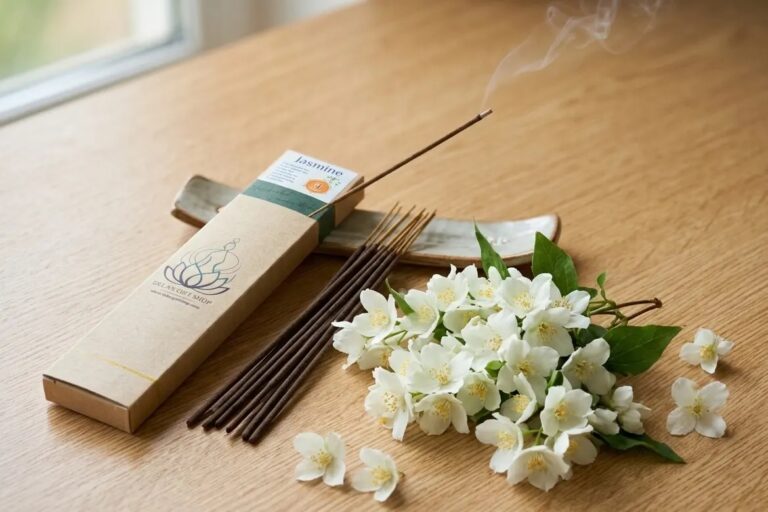
We’ve made plenty of mistakes here. Bought massive quantities of jasmine incense once seemed like a safe bet. Turned out our supplier’s jasmine had this weird chemical undertone. Cost us £300 in stock we couldn’t sell.
Start with one or two sticks if buying somewhere new. Seems obvious now, but we see people ordering bulk packs of scents they’ve never tried. Then they’re stuck with 100 sticks of something they hate.
Think about your actual space. Got a small bedroom? Don’t go for the strongest scent you can find. We had someone complain our oud was “overpowering” they were burning it in a university dorm room. That’s like using stadium speakers in a cupboard.
Consider what you’re actually using it for:
- Meditation or yoga? Sandalwood or tulsi work brilliantly. They’re present but not distracting.
- Covering up smells? Cinnamon or camphor. They neutralize rather than just mask.
- Creating ambience? Rose or oud, depending on the mood you want.
- Spiritual practice? Tulsi, dragon blood, or our gold blend.
Check burn time. Our incense typically burns 35-40 minutes per stick. Some cheap ones burn in 15 minutes because they’re thin and full of accelerants. That’s not a feature, that’s a flaw.
The packaging actually matters. Not for Instagram aesthetics for freshness. Incense absorbs moisture and odors. If it’s not sealed properly, you’re basically burning last week’s air freshener residue.
Common mistakes organic incense sticks UK buyers make:
- Storing incense near windows (sunlight degrades essential oils)
- Keeping different scents together unsealed (they contaminate each other)
- Expecting artificial-perfume intensity from natural scents
- Not using a proper ash catcher (burns hotter against surfaces)

Questions People Actually Ask Us
How do I know it’s actually natural?
Fair question. We include ingredient lists with everything. If a seller won’t tell you exactly what’s in their incense, there’s probably a reason. Also, smell the stick before lighting it natural incense has a subtle scent even unlit. Chemical stuff barely smells until it burns.
Why does it cost more than supermarket incense?
Because real ingredients cost more. A kilo of genuine sandalwood essential oil costs what most people pay for a week’s groceries. We’re not getting rich here margins on premium hand-rolled incense sticks UK shops sell are actually pretty thin. The artisans who make it deserve fair payment.
Can I burn this every day?
Yes, that’s the point of natural incense. We burn it in our shop daily (tulsi, usually). Chemical incense? We wouldn’t recommend daily use. The synthetic fragrances aren’t designed for regular inhalation.
Will it set off my smoke alarm?
Hasn’t happened to us with proper ventilation, but smoke alarms vary. We burn ours about 2 meters from detectors without issues. Crack a window slightly if you’re concerned.
How long does incense last?
Stored properly (cool, dark, sealed), about two years before the scent weakens noticeably. We’ve had customers say ours lasted longer, but we’re conservative with estimates.
Do you ship everywhere in the UK?
Yes. Usually arrives within 3-5 business days. We’ve shipped to the Shetland Islands without issues (took a bit longer, but got there).
Why We’re Betting Everything on This
Here’s the uncomfortable truth: we’re a small operation. Some months are tight. Every order genuinely matters to us.
We could stock cheaper incense. Boost margins. Grow faster. But then we’d be selling the same stuff we started this to avoid. What’s the point?
The best places to buy natural incense sticks in the UK aren’t always the biggest or flashiest. They’re the ones who actually care what they’re selling you. We test everything ourselves before listing it. If we wouldn’t burn it in our own homes, it doesn’t go on our site.
We’ve built relationships with our suppliers. We know their names, their families, how they work. When you buy from us, you’re supporting those artisans directly. That’s not marketing speak it’s literally how this works.
Visit Dela’s Gift Shop and see what natural incense actually smells like. We’re not perfect, but we’re honest. And in this industry, that’s rarer than you’d think.
If it’s not right for you, that’s fine. But if you’re tired of synthetic-smelling incense that leaves you coughing or gives you headaches, we’ve got what you’ve been looking for.
Browse our full collection of hand-rolled, natural incense at Dela’s Gift Shop because your space deserves better than chemical air fresheners disguised as incense.