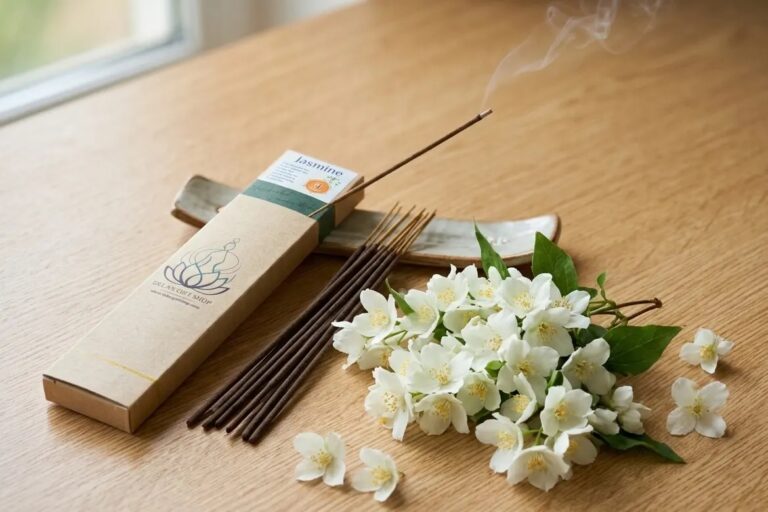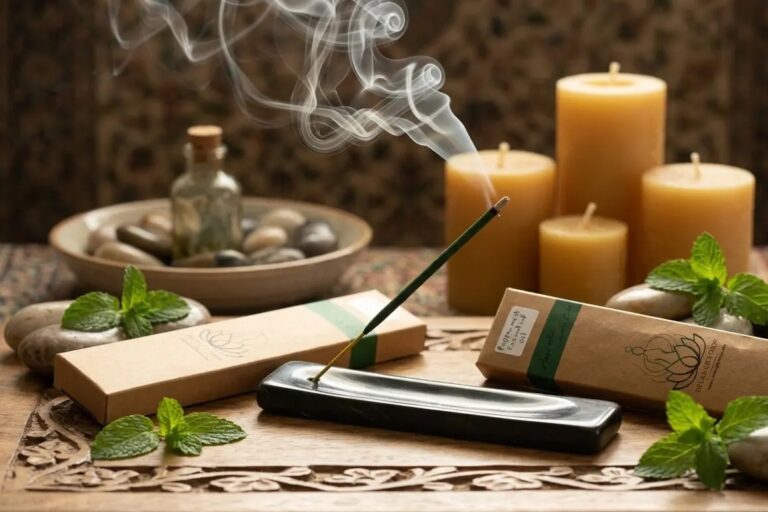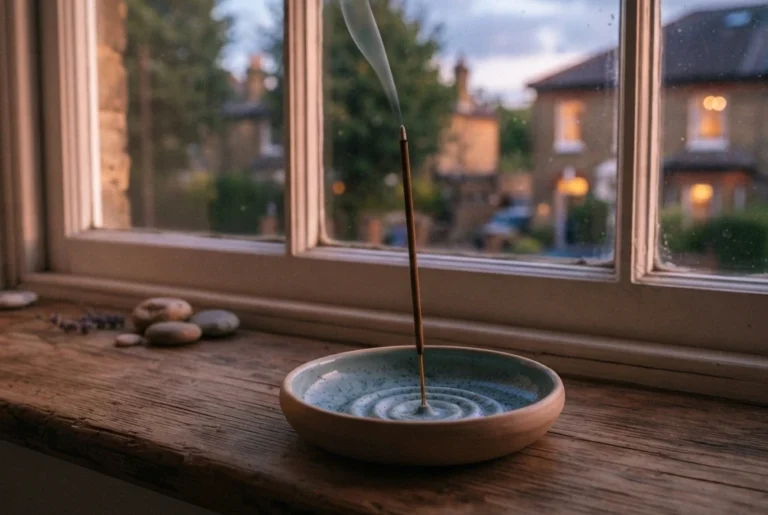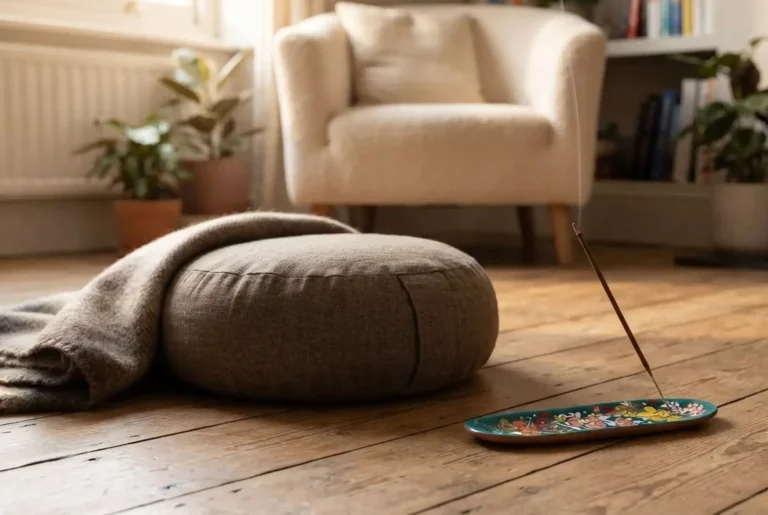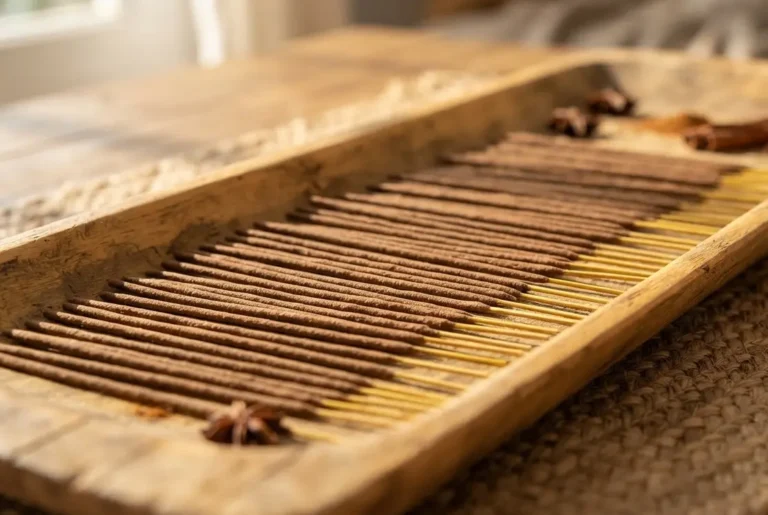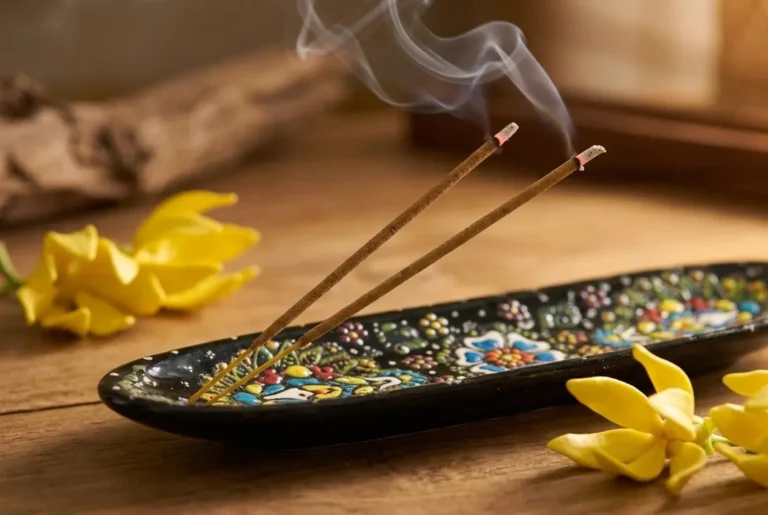

Incense is ancient. It predates written history. Cultures across India, Egypt, and East Asia were burning aromatic herbs for ritual and healing long before synthetic chemistry existed. But somewhere between those ancient practices and your local shop shelf, something went very wrong.
We’ve spent years around incense. We know what a real stick smells like when it burns. And we’re done pretending the cheap stuff is the same thing.
Why Most Incense Isn’t What You Think
Here’s the thing nobody talks about. Walk into almost any supermarket or gift shop in the UK, pick up a pack of incense labelled “natural” or “herbal” and flip it over. The ingredient list, if there even is one, will be vague. “Fragrance.” “Natural extracts.” Maybe a picture of a plant on the front.
That’s not transparency. That’s marketing.
The majority of mass-market incense sticks are made using the dipped method. A plain bamboo stick dipped in synthetic fragrance oil, often carried in diethylene glycol (DPG), a cheap industrial solvent. It burns fast. It smells sharp. And then it’s gone, leaving a slight staleness in the air you probably just blamed on the room.
We noticed this years ago. It’s why Dela’s Gift Shop exists the way it does.
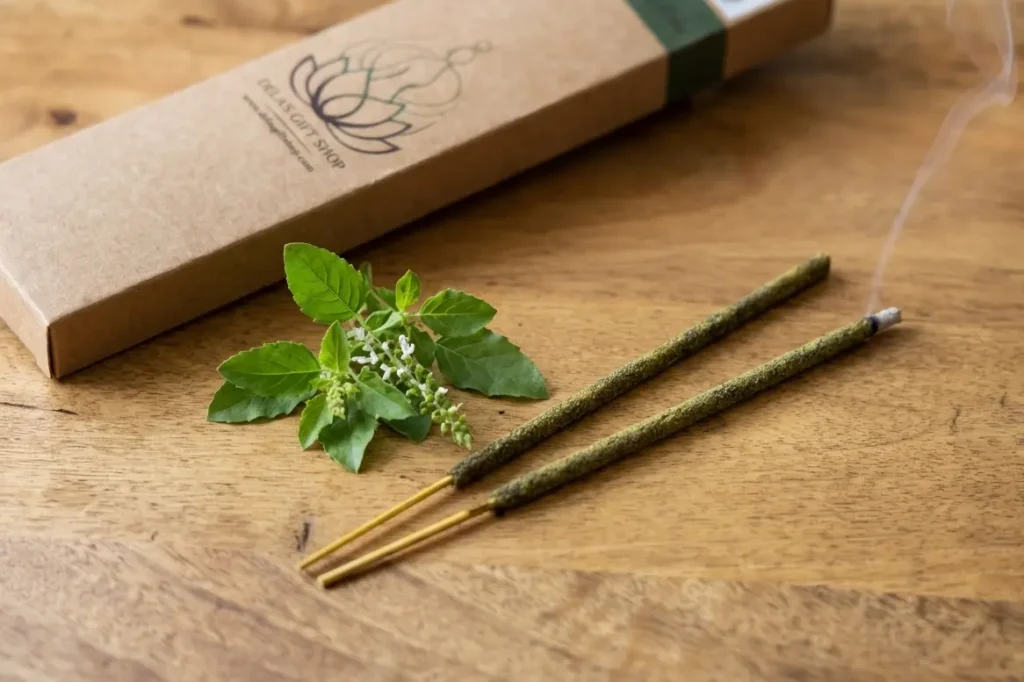
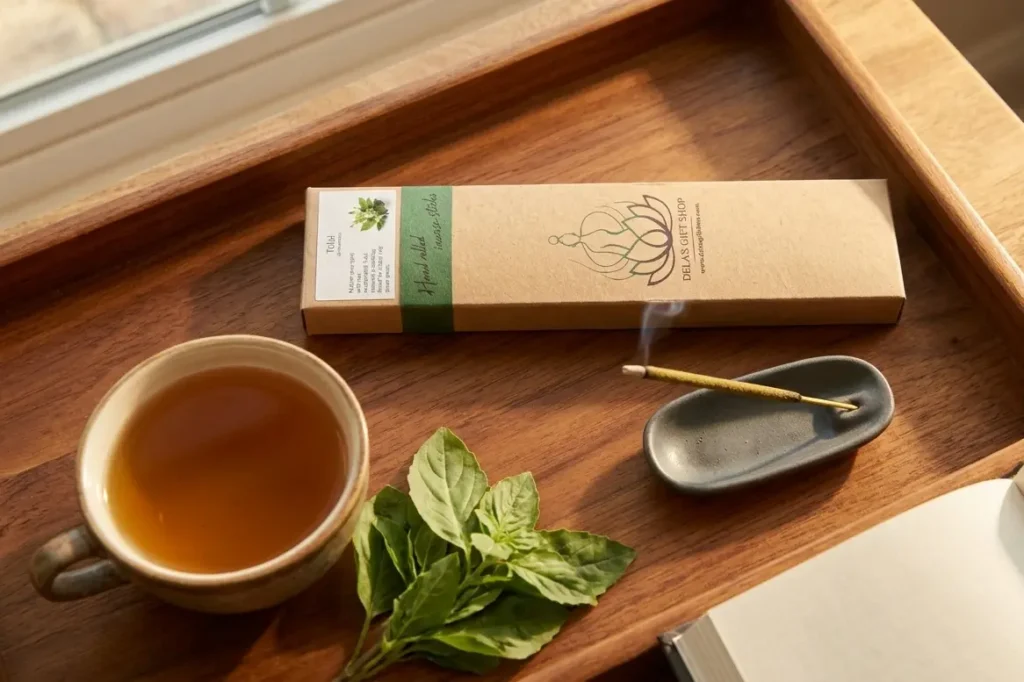
Natural tulsi incense sticks made properly from the actual plant, using traditional methods smell nothing like that. The tulsi scent is green, faintly peppery, and a little sweet. It opens slowly. It stays.
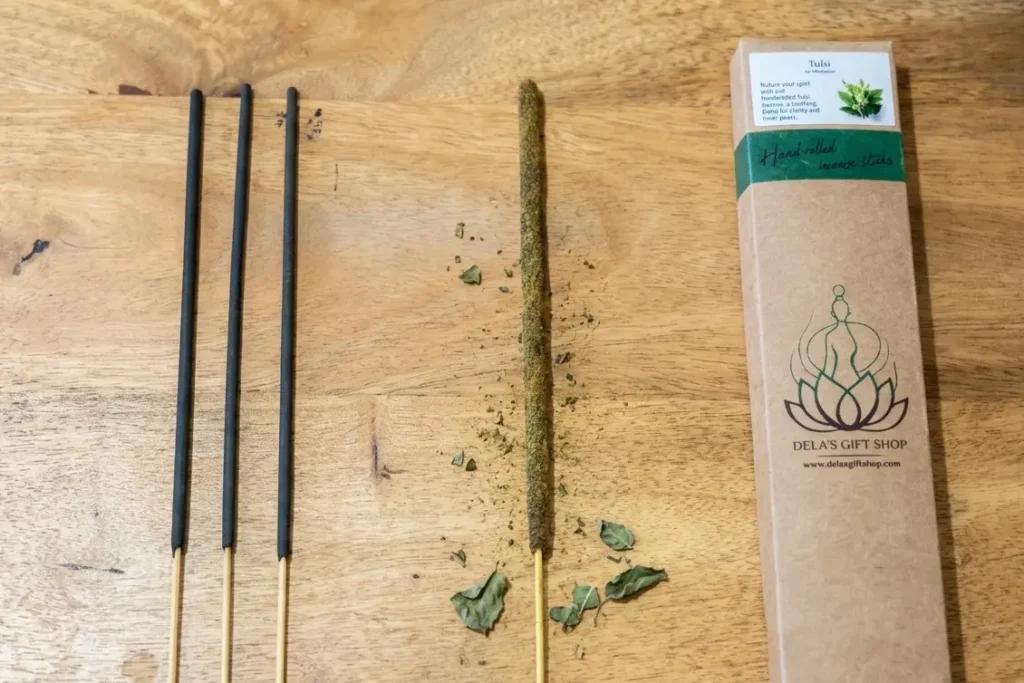
The Harmful Effects of Chemical Incense
We’re not trying to alarm you. But we do think you should know this.
A study published in Environmental Chemistry Letters identified volatile organic compounds (VOCs) including benzene and formaldehyde released during the combustion of mainstream incense. These are the same compounds that indoor air quality researchers flag as problematic in poorly ventilated spaces.
Paraffin. Synthetic binding agents. Chemical fragrance carriers. None of these are “bad” in every context. But burning them indoors, repeatedly, in a room you sleep or meditate in, is a different story.
Chemical free incense sticks aren’t a niche preference. For anyone spending extended time in small or enclosed spaces, they’re a genuinely sensible choice. People with sensitivities who assumed all incense caused headaches have come back to tell us ours didn’t. That’s not an accident.
We’re not doctors. We’re not making medical claims. But we do know what we put into our sticks. And we know what we leave out.
What’s Actually Inside Our Natural Tulsi Incense Sticks
Right. Let’s be specific, because most brands won’t be.
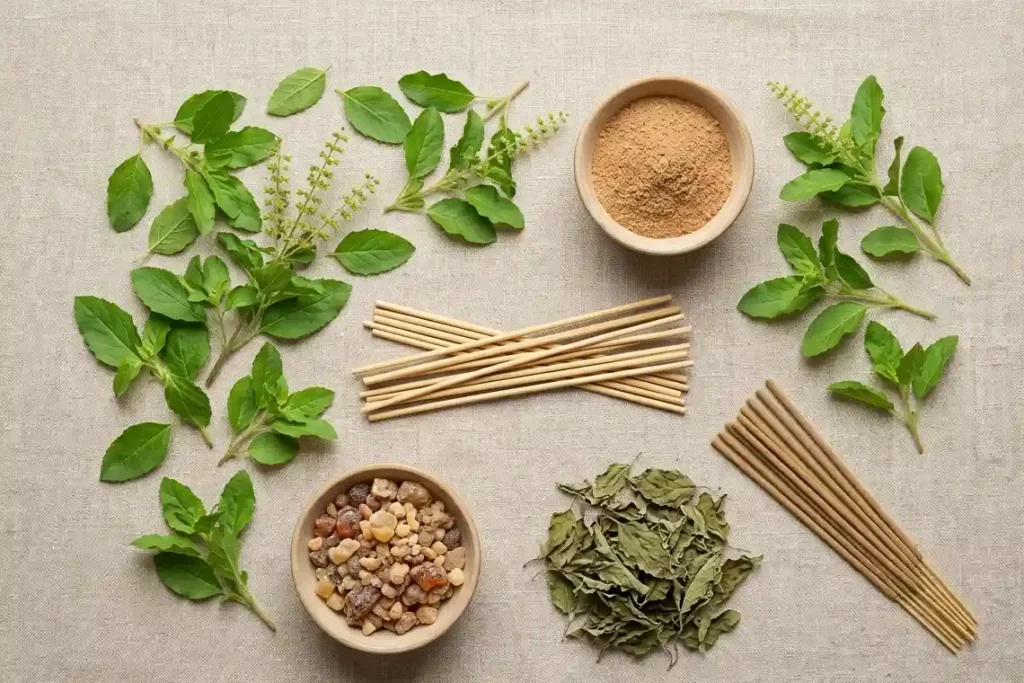
Our natural tulsi incense sticks contain:
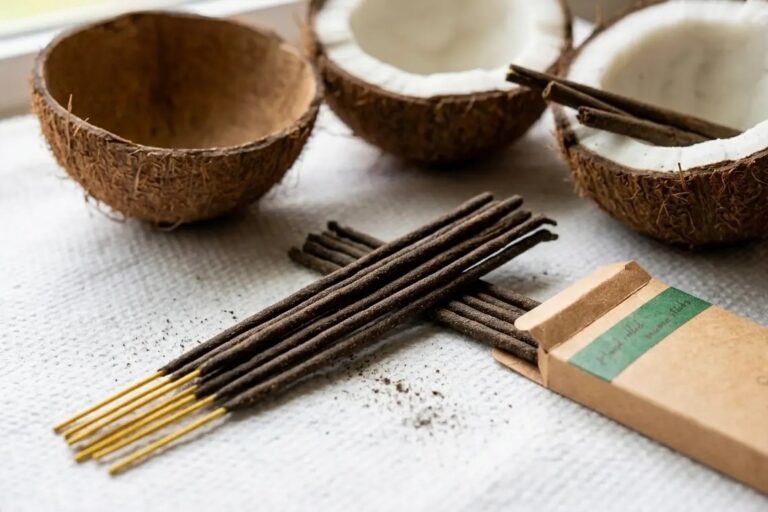
- Dried tulsi (holy basil) leaves and essential oil the actual plant, not a synthetic copy of it
- Natural wood powder the body of the stick, combustion base, no petrochemicals
- Jiggit (jigat) gum traditional tree bark resin, used as a binder in Indian incense craft for centuries
- Bamboo core sustainably sourced
- Nothing else. No DPG, no paraffin, no synthetic fragrance oil, no charcoal dust filler
That ingredient list is short because it should be. Eco friendly incense sticks aren’t complicated. They’re just made with care and without shortcuts.
Jiggit gum is worth mentioning specifically because it’s almost never talked about. It’s harvested from the bark of the Litsea tree, a natural adhesive that holds the herbal paste to the bamboo without any synthetic binder. It’s one of those ingredients that’s been quietly doing its job for centuries while the modern industry replaced it with cheaper chemistry.
We brought it back. Because it works better.
The Eco-Friendly Production Process
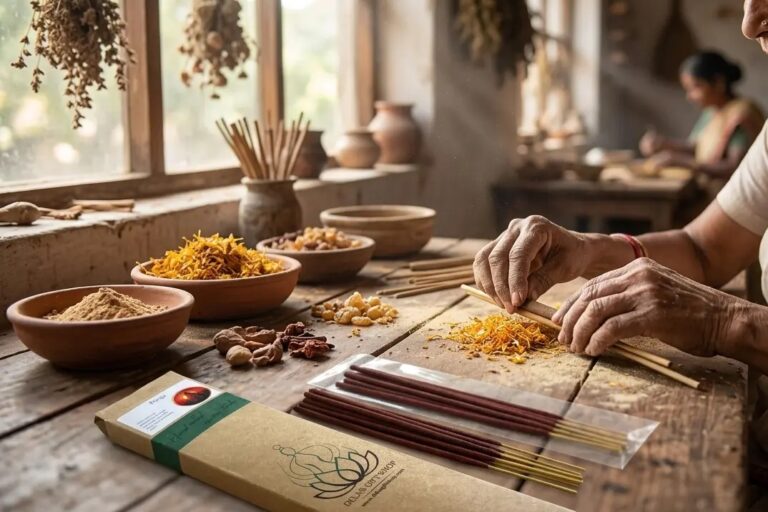
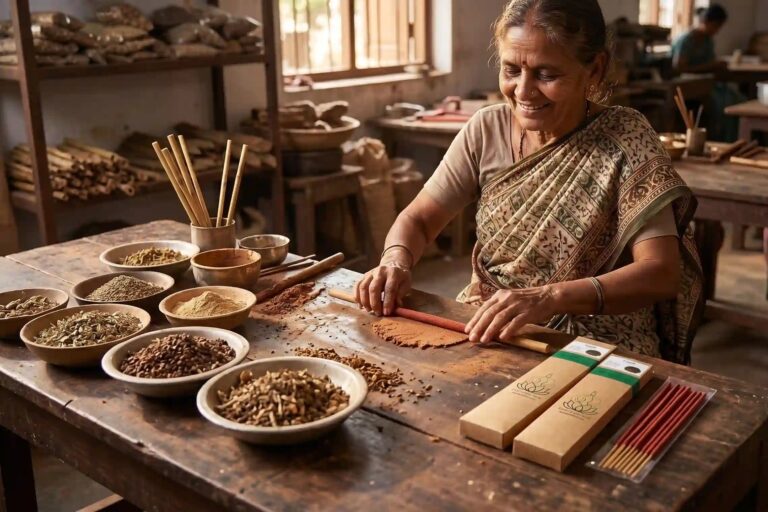
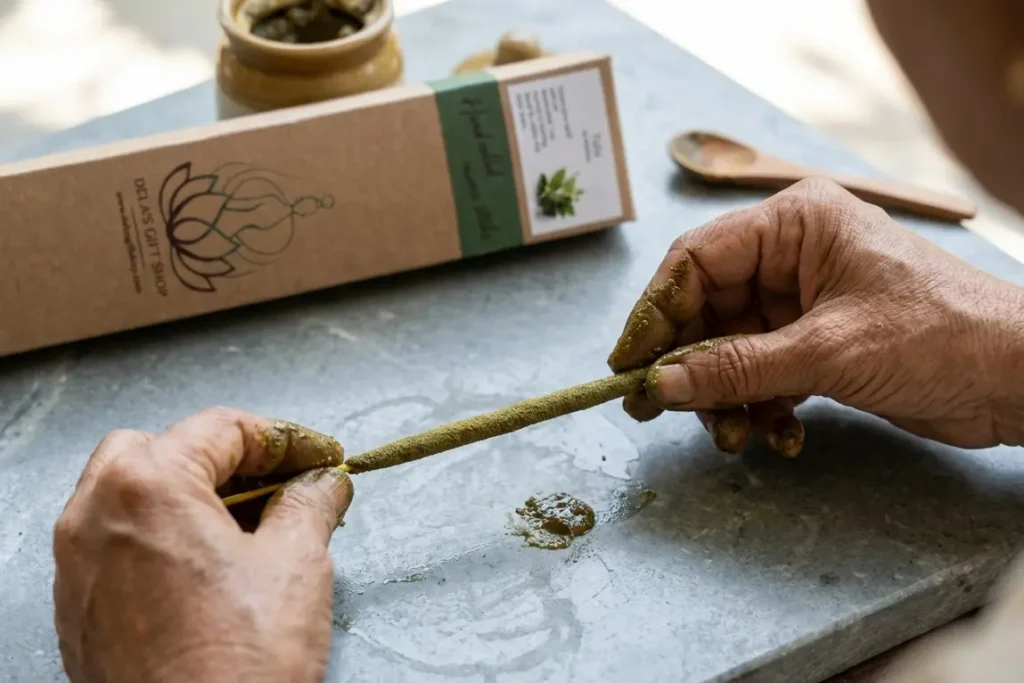
Every natural tulsi incense stick from Dela’s Gift Shop is hand-rolled. By people. Not machines.
This matters beyond the romantic image of artisan craft. Automated incense production requires industrial solvent-based dipping systems. Hand-rolling does not. The process itself is the point.
Our sticks are made by differently-abled artisans whose precision and attention to detail in hand-rolling exceeds what assembly-line production achieves. There is no child labour. There is no chemical dipping vat. There is a person, a flat surface, the right materials, and time.
The packaging is recyclable. The tulsi plant is fast-growing and pesticide-light when grown responsibly. The bamboo is renewable.
Eco friendly incense sticks aren’t just about the ingredient list. They’re about every decision made in the supply chain before the stick reaches your hand.
Why the Slow Burn Actually Matters
People always notice this first. They light one and wait for it to end. It doesn’t. Not quickly.
A natural slow burn incense stick made from botanical materials and natural resins combusts at a lower temperature than a synthetic one. That’s chemistry, not craft magic. Natural wood powder and jiggit gum simply don’t burn as fast as paraffin and DPG.
The result: a single stick releases fragrance for 40 to 55 minutes in steady, layered waves rather than one sharp synthetic burst that peaks and collapses in twenty minutes.
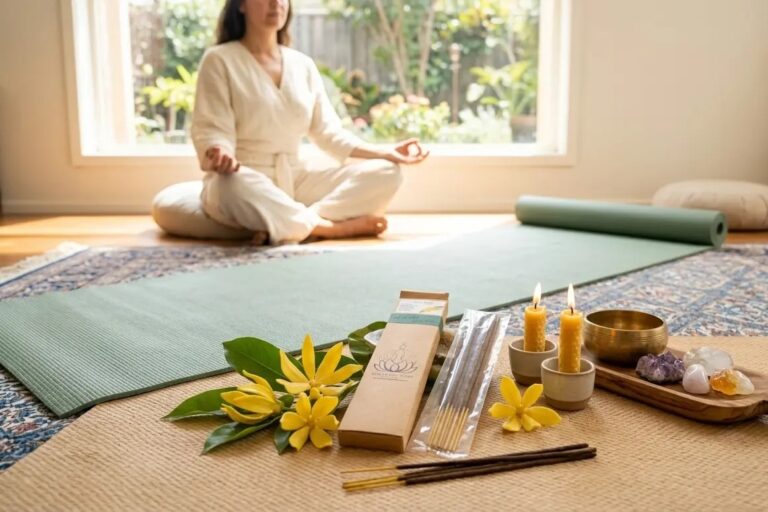
For meditation, this is everything. You light it. You don’t notice it. It’s just there, gently, in the background of whatever you’re doing. That’s what good incense is supposed to do.
It’s also more economical. You use fewer sticks. You waste less. The pack lasts longer. With natural tulsi incense sticks, the slow burn isn’t a flaw, it’s the whole point.
Herbal Incense Sticks India: Masala vs. Dipped
India has two incense-making traditions. Most of the world only knows the cheaper one.
Dipped: A plain bamboo stick dipped in liquid fragrance. Fast to produce. Widely exported. Most incense sold in the UK is made this way.
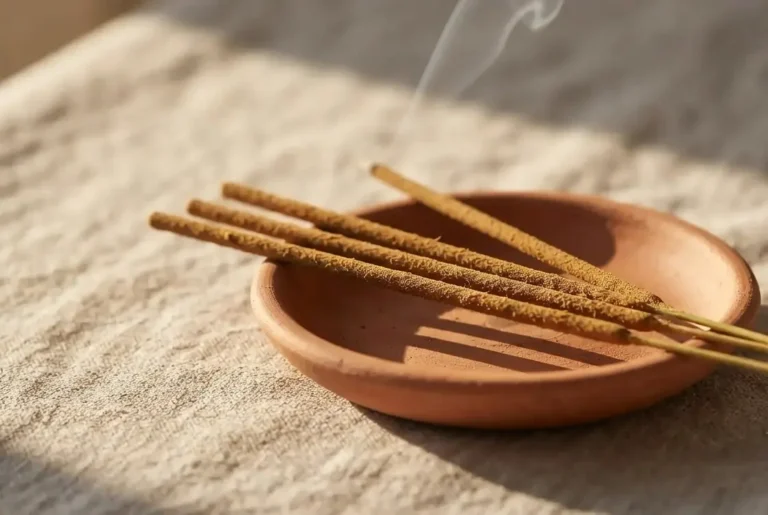
Masala: Dry herbs, resins, natural powders blended into a paste and hand-rolled onto bamboo. Time-intensive. Requires skill. Cannot be fully automated.
Herbal incense sticks India made in the masala tradition produce complex, layered fragrance that changes as they burn opening notes, a middle, a finish. Dipped sticks don’t do this. They smell the same from first light to ash.
At Dela’s Gift Shop, everything we make is masala. The artisans we work with learned this method through genuine craft transmission, not factory training. That difference is in every stick.
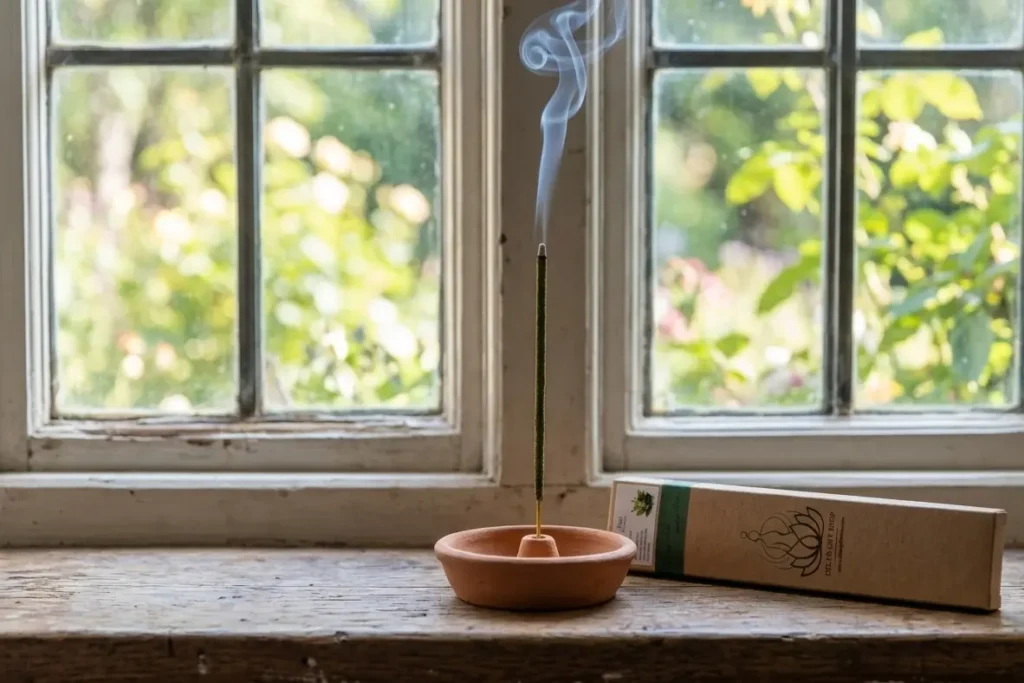
How to Use Organic Incense Sticks Every Day
You don’t need a ritual space or a meditation practice. You just need a moment.
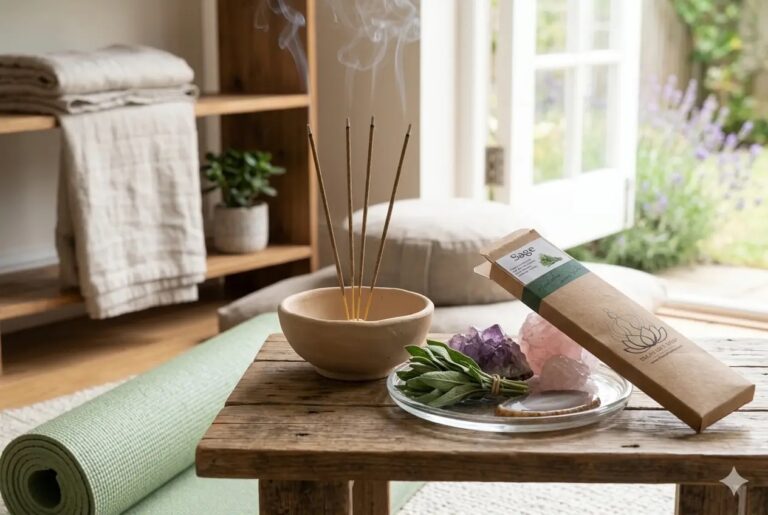
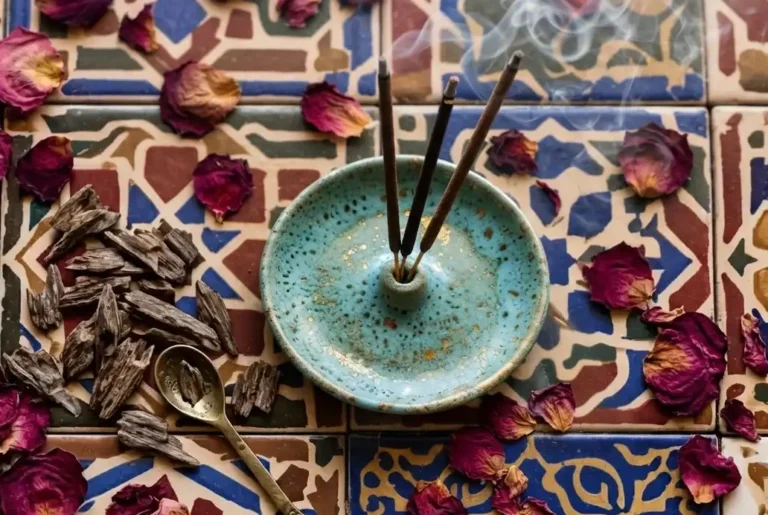
Light one in the morning while you’re waiting for the kettle. Thirty seconds is all tulsi takes to start opening. Take a breath. That’s it. That’s the ritual.
Light one in the evening when you close the laptop. The shift from work to rest is partly sensory. Your brain reads familiar scents as signals. Tulsi in the evenings, every evening, starts training your nervous system to recognise it as a switch.
Use one when guests arrive. Not to cover a smell. To give the room an atmosphere. Tulsi doesn’t perform fragrance. It creates presence.
Explore our full incense range at Dela’s Gift Shop and find what fits your home.
Frequently Asked Questions
What are natural tulsi incense sticks made of?
Genuine natural tulsi incense sticks are made from dried holy basil leaves, tulsi essential oil, natural wood powder, jiggit gum (a plant resin adhesive), and a bamboo core. No synthetic fragrance oils, no paraffin, no DPG. The ingredient list is short. It should be.
Are chemical free incense sticks safe to burn indoors?
Yes, with ventilation. Research has identified harmful VOCs including benzene and formaldehyde in the combustion of synthetic incense. Chemical free incense sticks made from botanical ingredients burn significantly cleaner. Always leave a window slightly open regardless of what type you’re burning. We’re not doctors, but this is basic good practice.
What is the difference between masala and dipped incense?
Masala incense is hand-rolled from a blend of dry herbs, resins, and natural powders. Dipped incense is plain bamboo dipped in synthetic liquid fragrance. Masala burns slower, smells more complex, and is genuinely chemical-free. Most incense sold in UK shops is dipped. Ours isn’t.
How long do natural slow burn incense sticks last?
Between 40 and 55 minutes per stick, depending on thickness. Because natural binders combust at lower temperatures than synthetic ones, the burn is slower, more consistent, and more fragrant throughout. You use fewer sticks per session and get better value per pack.
Can I use natural tulsi incense sticks every day?
Yes. Tulsi incense made from botanical ingredients has been used in daily Indian household and temple practice for centuries. Burn with ventilation, don’t use three sticks at once in a small room, and you’re fine. The “too much incense” issue that causes respiratory discomfort is almost always a chemical incense problem, not a natural one.
Make the Switch. It’s Simpler Than You Think.
We’ve been honest in this article. About ingredients. About production. About what makes a stick genuinely natural versus what just has a leaf on the packaging.
Dela’s Gift Shop hand-rolls every natural tulsi incense stick with real ingredients, made by people who know what they’re doing. Chemical-free. Slow burn. Eco-friendly. Handmade.
Your home deserves better than paraffin and synthetic solvents.
Visit https://delasgiftshop.com/ and shop the full incense collection today.
Written by the team at Dela’s Gift Shop. We’ve been sourcing, testing, and hand-selecting incense from artisan makers for years, working directly with differently-abled craftspeople who use traditional Indian techniques. Everything we write comes from genuine experience with the products we sell.